
Nurse Shortages
Routine vitals, handoffs, monitoring, and patient movement consume time that healthcare teams need for higher-value care.
 V-DOC
V-DOCWelcome to V-DOC
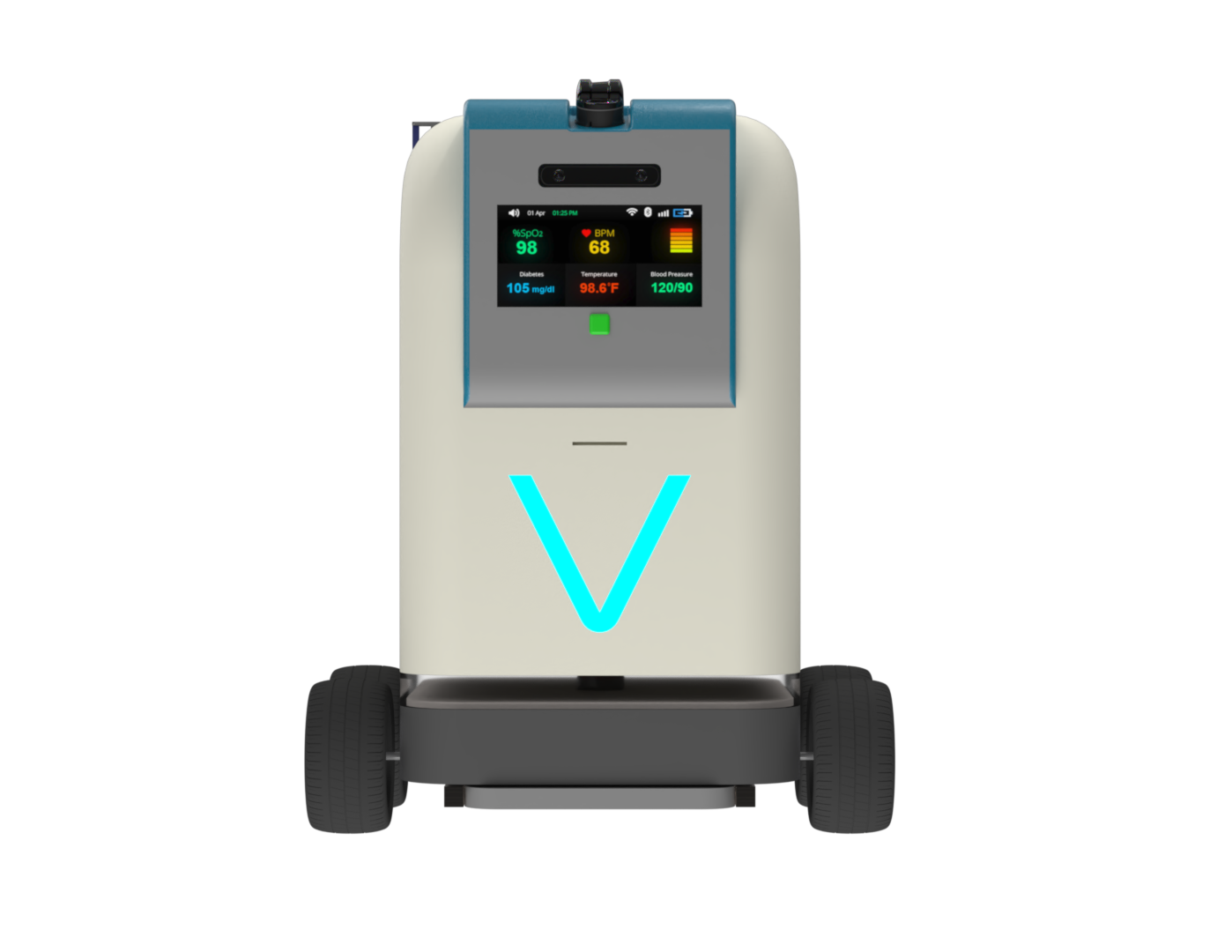
V-DOC is building autonomous medical robots for hospitals: diagnostics, patient monitoring, medicine delivery, sample movement, check-ins, and routine clinical support. B.A.R.M remains the rural healthcare extension of the same core platform.
Problem
V-DOC addresses repeatable work across triage, vitals, monitoring, patient identification, diagnostics support, and sample or medicine logistics.
Routine vitals, handoffs, monitoring, and patient movement consume time that healthcare teams need for higher-value care.
Crowded emergency rooms and slow triage workflows delay diagnostics and first response.
Paper trails, specimen handling, and repeated manual checks can create avoidable risk.
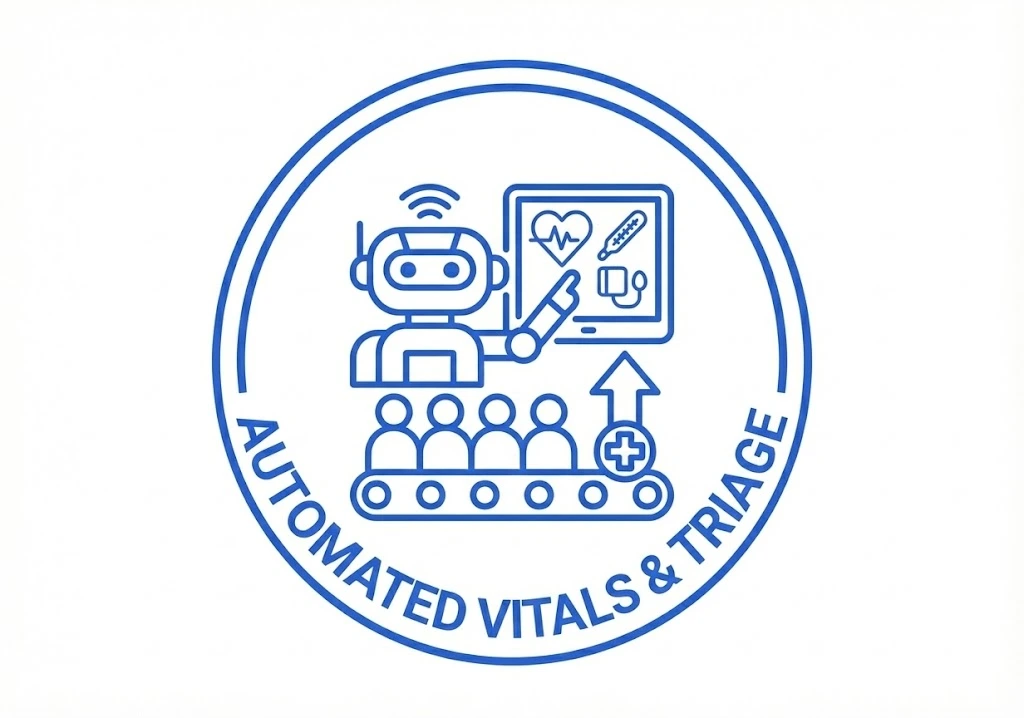
Hospitals and rural communities both need more consistent screening, monitoring, and follow-up.
Solution
The robot is designed to support nurses, doctors, hospitals, and remote communities by combining sensors, mobility, patient communication, and connected logistics.
Take instant measurements of pulse, blood oxygen, temperature, blood pressure, body weight, height, and breathing rate where configured.
Carry medicines and specimen samples between hospital departments, labs, smart bases, and health centers through a connected logistics flow.
Move independently using stereo cameras, LIDAR, IMU, mapping, path detection, and obstacle avoidance.
Features
V-DOC can be configured with pulse-oximeter sensing, blood pressure, infrared temperature, spirometry, weighing scale, height measurement, patient communication, specimen storage, and medication dispensing. Hospital workflows can add check-ins, bookings, payments, and patient record updates where the deployment supports them.
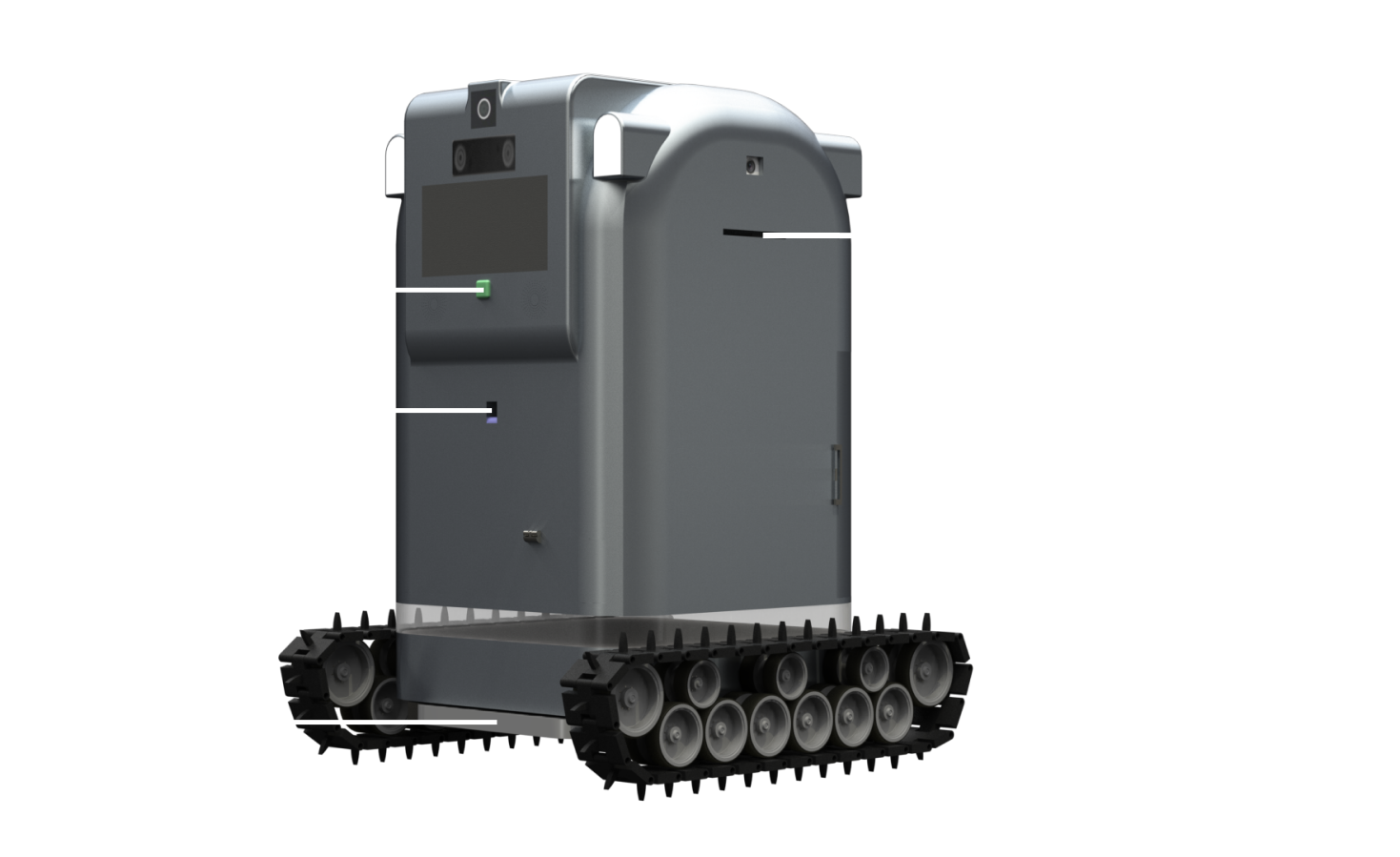
Product variants
The recovered product material distinguishes a mobile autonomous robot from a stationary unit that keeps the core diagnostic value while removing autonomous navigation.
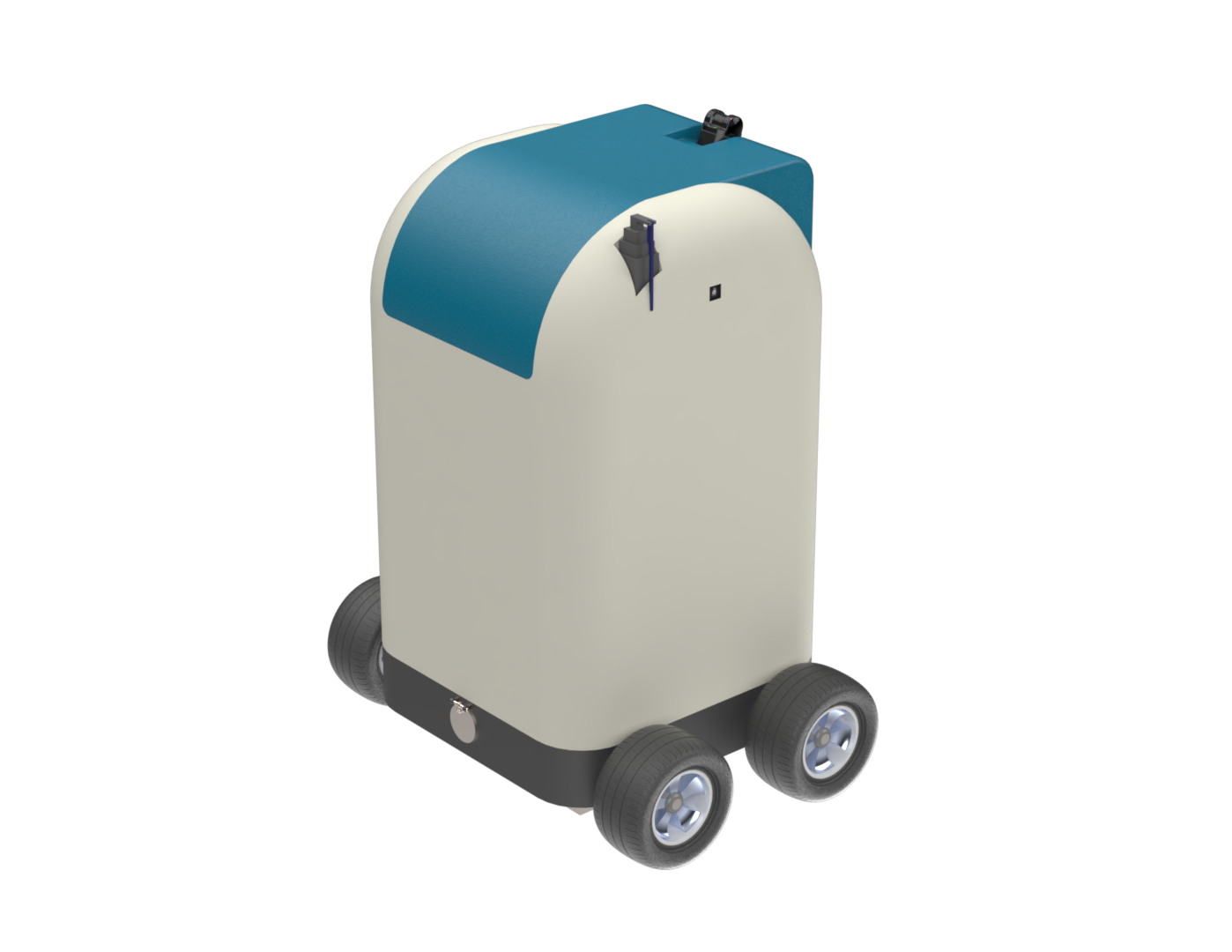
Autonomous navigation, full medical feature set, hospital movement, emergency-room support, monitoring rounds, and logistics tasks.
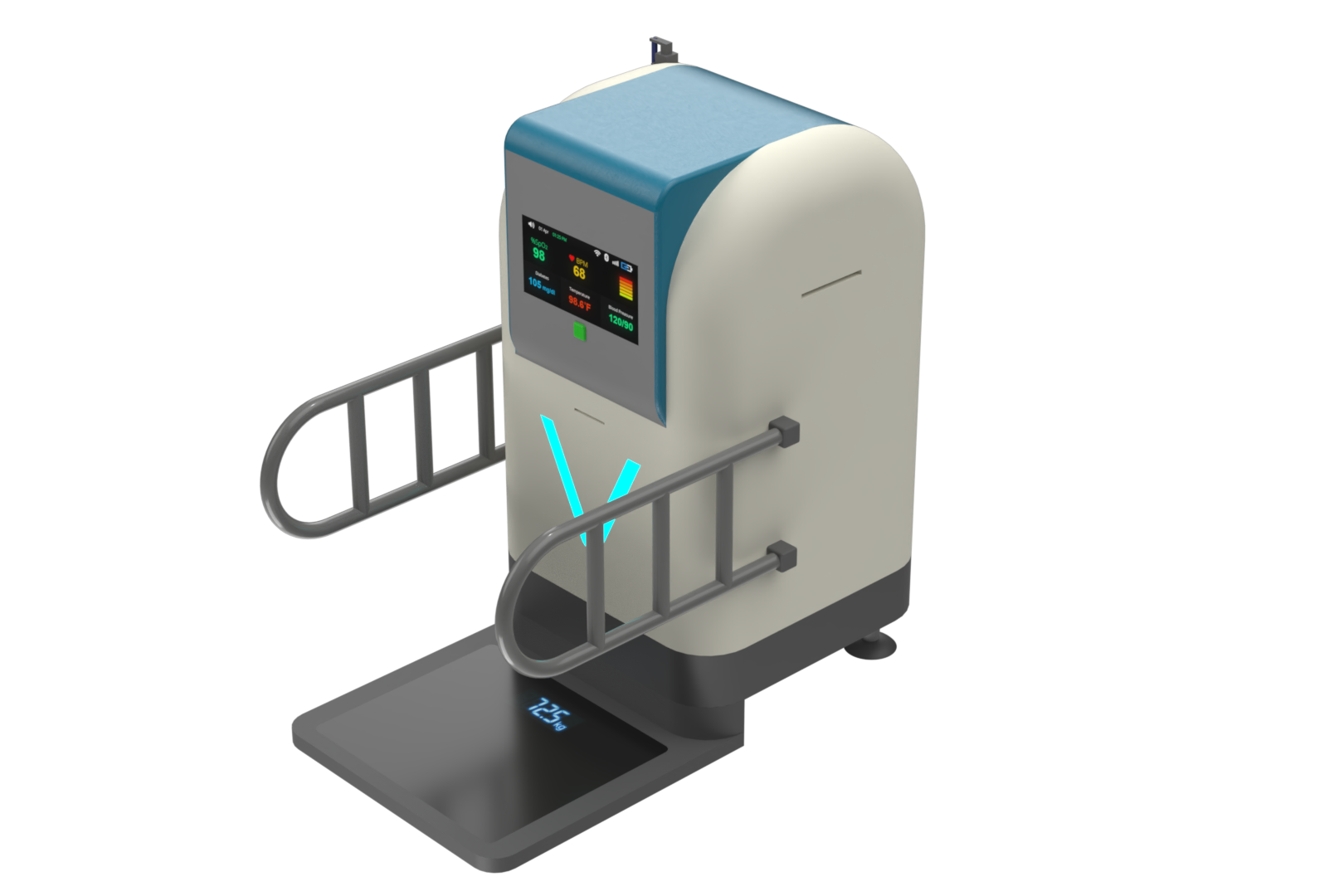
Stationary diagnostic unit with the same or core medical abilities, manually moved or used as a fixed hospital health checkpoint.
Hospital use cases
V-DOC is positioned for emergency rooms, diagnostics assistance, patient monitoring, nurse support, medicine and sample logistics, hospital check-ins, appointments, payments, and patient record updates.
Rural ecosystem
The rural model is the secondary ecosystem for V-DOC: checkups, specimen transfer, medication movement, remote consultation, and communication in low-access communities.

Featured on



FAQ
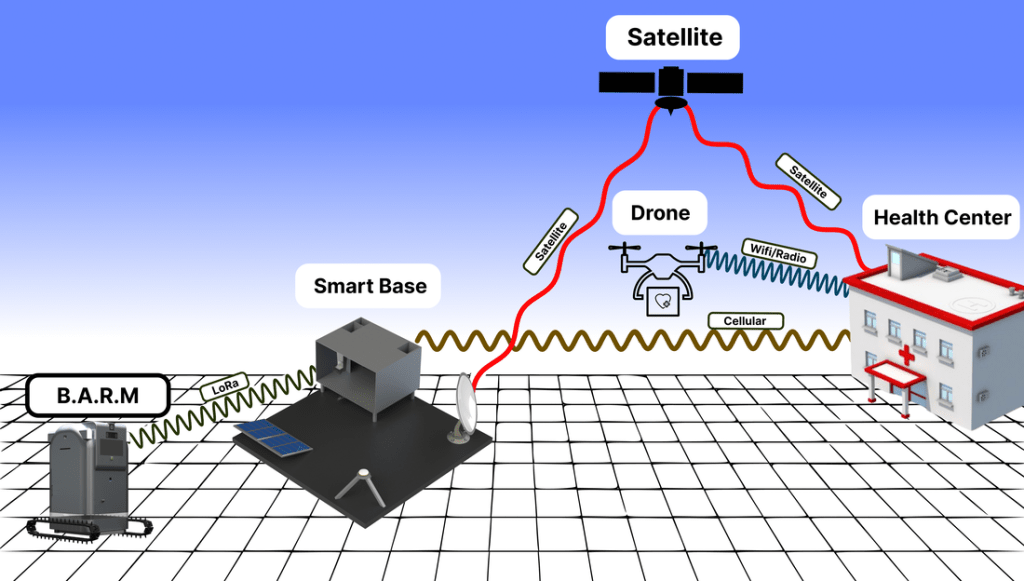
V-DOC is pioneering rural and hospital healthcare robotics. B.A.R.M, or Biomedical Autonomous Rural Medic, is a prototype health monitoring robot designed to deliver assessments and support virtual doctor consultation in remote areas while working with the smart base, transfer drone, and nearby health center.
V-DOC is in development. A utility patent has been filed and published within the Indian Patent Office, and prototyping for B.A.R.M is positioned as the next step.
B.A.R.M combines navigation and medical sensor technologies to reach patients, collect health data, support consultation, move specimens, and coordinate medicine delivery through the smart base and health center.
Next step
Reach out for collaboration, technical discussion, hospital workflow conversations, rural healthcare partnerships, or media inquiries.